The paradox of modern work: Why finishing never feels finished
Table of Contents
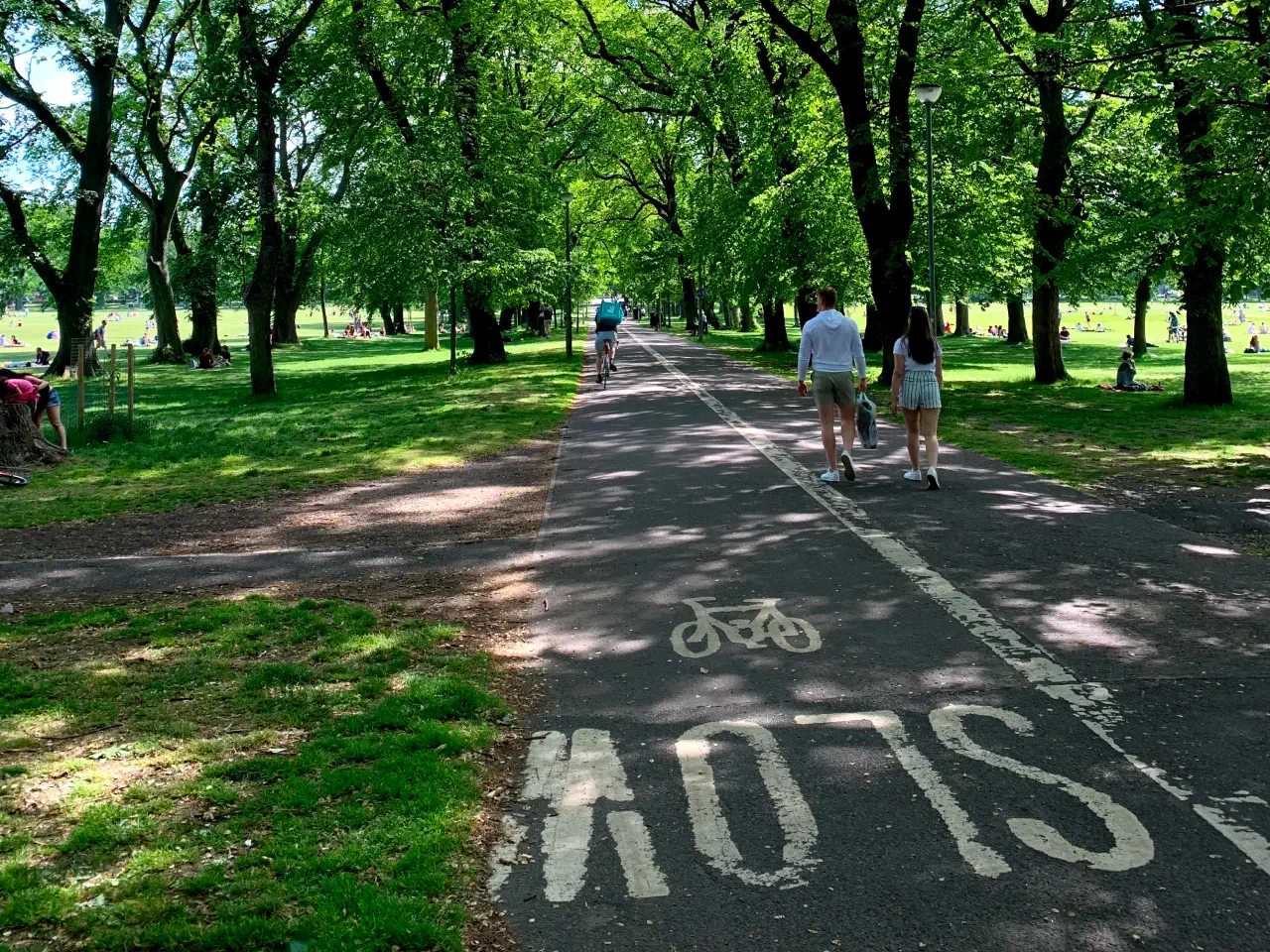
The Meadows in Edinburgh
I remember reading a blog post years ago, something along the lines of “Busyness is a modern symptom of life.” I was 18 or 19 years old at that time, and I didn’t really get it. Back then, work had borders. You showed up, did the thing, and left. When the day ended, your brain followed.
Busyness felt like a choice other people were making.
That illusion didn’t survive adulthood, especially not while working in tech.
Somewhere after college, work stopped being a place and started being a state of mind. There was always something unresolved, something half-done, something waiting. Even when I wasn’t working, I was mentally on-call. The off switch didn’t disappear all at once, it just stopped being reachable.
Now, with AI, LLMs, and tools that compress weeks into days, that old article feels less like an observation and more like a warning. The faster technology advances, the more work we seem determined to create. Efficiency doesn’t reduce effort. It raises the bar for what’s considered acceptable.
We don’t use time saved to rest. We use it to do more.
And it’s not just the system doing this to us. We participate willingly.
As millennials, “enough” feels suspicious. We want more output, more income, more optionality, more experiences. More side projects. More leverage. More upside. Even our leisure has to justify itself. Downtime without progress feels like negligence.
There was a time when finishing work meant you were done. The task ended, the day slowed down, and effort bought you rest. That deal is gone. Now, finishing early just tells the system you have spare capacity. And spare capacity gets filled.
Technology was supposed to give us leverage, and it did. But it also erased the constraints that once kept work finite. When building, shipping, and communicating become cheap, expectations quietly inflate. There’s no final state anymore. Just continuous improvement disguised as ambition.
This is the paradox of modern work: productivity doesn’t eliminate labor, it manufactures demand for more of it.
Our tools make this worse. Slack removes the social cost of interruption. Linear/Jira remove the discomfort of saying no. Everything is “quick,” “lightweight,” and “async,” which means everything is constant. Each request feels insignificant. Together, they form a permanent background load.
Then there’s the internal pressure, the part we don’t like admitting.
It’s no longer enough to just do your job. You’re supposed to be building something on the side. A product. A startup. A personal brand. With vibe coding tools and AI copilots, creation is frictionless. So is guilt. If you could build something and you’re not, what are you even doing?
Rest stops being recovery and starts looking like wasted potential.
Modern work culture doesn’t reward completion; it rewards optimization. There’s always another metric to improve, another system to refactor, another idea to chase. “Good enough” sounds like laziness. Stopping sounds like falling behind. Work turns into an infinite loop with no natural exit.
The result isn’t burnout from weakness, it’s exhaustion from excess. Not because we can’t work hard, but because the work never ends.
Maybe the real problem isn’t that technology gave us more power.
Maybe it’s that we never had the discipline to decide when to stop.
Until we relearn what enough means, finishing will never feel like finishing, just a brief pause before we willingly take on the next thing.